
A Sunny Afternoon at the Grove City Wine Walk
Exploring Pennsylvania's local wine scene, from Lake Erie AVA wineries to family-owned producers, at the Grove City Wine Walk in Western Pennsylvania.
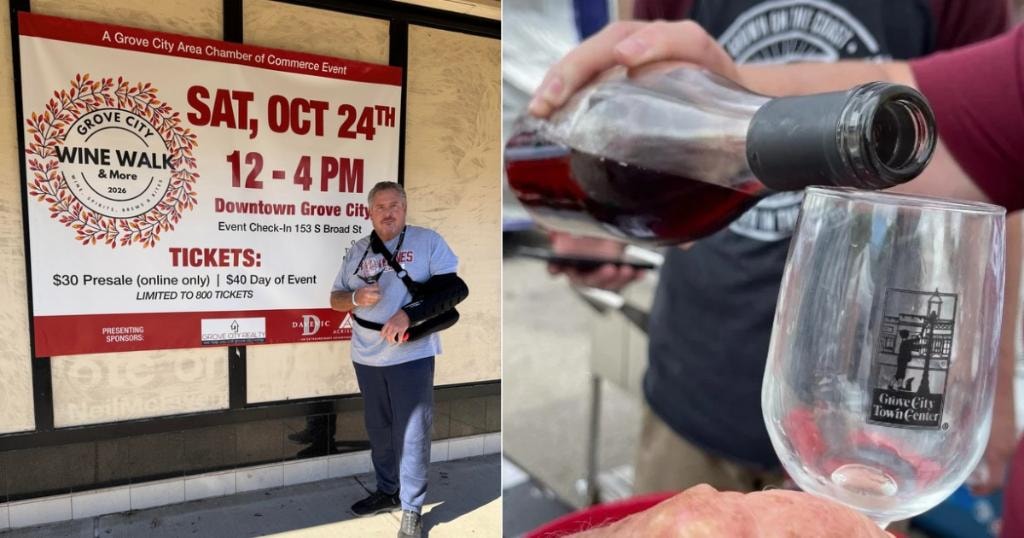
This past Saturday, my wife and I had the pleasure of attending the Grove City Wine Walk in Western Pennsylvania. With sunshine overhead and a touch of fall in the air, it was a perfect afternoon to stroll through downtown Grove City, sample Pennsylvania wines, and meet some of the people behind the bottles.
At The American Vine, we're always looking for opportunities to explore America's growing wine scene — especially the smaller, family-owned wineries that don't always receive the attention they deserve. Wine walks offer a fun and casual way to discover local producers, experience different wine styles, and perhaps find a new favorite along the way.
Pennsylvania Wineries Take Center Stage
The Grove City Wine Walk featured approximately 10 local wineries, many representing Pennsylvania's Lake Erie American Viticultural Area (AVA). Several local distilleries also participated, showcasing their handcrafted spirits and adding another dimension to the afternoon.
One thing we noticed was that many of the participating wineries focused primarily on sweeter wines. While our personal preferences lean more toward dry reds and whites, there's certainly a place for sweet wines, and they have a loyal following among wine enthusiasts. Naturally, we sampled a few ourselves! After all, exploring different styles and stepping outside your usual preferences is part of the enjoyment of discovering new wines.
It was also a reminder of the diversity of Pennsylvania winemaking. The state's wineries produce everything from traditional dry wines made with European grape varieties to semi-sweet wines, sweet blends, and fruit wines that appeal to a broad range of tastes.
Three Pennsylvania Wineries We Had the Opportunity to Explore
During the afternoon, we stopped to sample wines from three Pennsylvania wineries: Creekside Cellars Winery, Pisano Family Wine Cellar, and Cellar '54. Each offered a different glimpse into the state's local wine industry.
Creekside Cellars Winery — Mercer, Pennsylvania
Our first featured winery was Creekside Cellars Winery, located in Mercer, Pennsylvania. This locally owned winery offers a selection of wines designed to appeal to different tastes, from traditional grape wines to sweeter, fruit-forward selections.
Creekside represents the kind of smaller Pennsylvania winery we enjoy discovering at The American Vine. These local producers are an important part of the American wine landscape, introducing visitors to wines made closer to home.
We found enough to interest us that we ultimately purchased four bottles to take home for a more complete tasting.
Pisano Family Wine Cellar — Erie, Pennsylvania
Next was Pisano Family Wine Cellar, based in Erie, Pennsylvania. With roots in Southern Italian winemaking traditions, Pisano brings a sense of family heritage to its approach to wine.
The winery offers a range of styles, including dry, semi-sweet, and sweet wines, reflecting the variety of preferences found among Pennsylvania wine drinkers.
We enjoyed our brief introduction to Pisano's offerings and decided to purchase two bottles to explore further at home.
Cellar '54 — North East, Pennsylvania
Our third stop was Cellar '54, located in North East, Pennsylvania, in the heart of the Lake Erie wine region.
The winery's name reflects the Coletta family's grape-growing heritage, which dates back to 1954. Its connection to the region's agricultural history is particularly interesting because grape growing has long been an important part of the Lake Erie area's identity.
Cellar '54 offers another example of how family traditions and local grape growing continue to shape Pennsylvania's wine industry. Although we didn't purchase any bottles during this stop, it was an enjoyable opportunity to become acquainted with another producer from the Lake Erie region.
A Closer Look at Pennsylvania's Lake Erie AVA
One of the interesting aspects of the Grove City Wine Walk was the opportunity to encounter wineries connected to the Lake Erie AVA, one of the country's established American wine-growing regions.
Stretching along the southern shore of Lake Erie through portions of Pennsylvania, New York, and Ohio, the AVA benefits from the moderating influence of the lake. This helps shape growing conditions and can extend the grape-ripening season.
The region has a long history of grape production, particularly with native American varieties such as Concord and Niagara. Today, growers also work with French-American hybrids and European Vitis vinifera grapes, including Riesling and Cabernet Franc.
Although the Lake Erie region is often associated with sweeter wines, its grape-growing potential extends well beyond those styles. As more consumers discover wines from Pennsylvania and the surrounding Great Lakes region, there's an opportunity for these wineries to introduce visitors to an even broader range of wines.
For us, that's part of what makes exploring lesser-known American wine regions so interesting. There is always more to discover beyond the familiar names of Napa Valley, Sonoma, and the Finger Lakes.
Keep Exploring: Curious about Pennsylvania's wine regions? Check out our complete guide to Pennsylvania wine and our Lake Erie AVA deep dive.
Small Tastings, but Six Bottles Came Home With Us!
Of course, one thing to remember about a wine walk is that the tastings are generally limited to small pours. Unlike a traditional winery visit, where you might sit down and work through a carefully selected flight, a wine walk provides just a brief introduction to each producer's offerings.
Still, those small samples can be enough to spark your curiosity!
By the end of the afternoon, we had purchased four bottles from Creekside Cellars Winery and two bottles from Pisano Family Wine Cellar.
Our selections from Creekside included a Cabernet Sauvignon, Noiret, Lambrusco, and Vinter Select — an interesting blend of Cabernet Franc and elderberry. That last selection particularly caught our attention because it's not a combination you encounter every day.
From Pisano Family Wine Cellar, we brought home two bottles of Jefferson Creek, a blend of the winery's signature dry red and dry white wines. We enjoyed the small tasting sample enough to purchase two bottles, and we're curious to see how the wine shows when we have the opportunity to spend more time with it.
That's six bottles of Pennsylvania wine we'll have the opportunity to explore in greater detail at home. We're looking forward to giving these wines a more thorough tasting — taking our time to evaluate their aromas, flavors, balance, and overall character — and sharing our impressions with readers of The American Vine.
We'll be publishing a follow-up post featuring our full tasting notes on these wines in the near future, so keep an eye out for that!
Why Local Wine Walks Matter to American Wine
Events like the Grove City Wine Walk serve an important purpose beyond providing an enjoyable afternoon for visitors.
They introduce consumers to wineries they might never have encountered otherwise, help support small businesses, and create connections between winemakers and the communities around them.
For smaller American wineries, visibility can be one of their greatest challenges. Many don't have the marketing budgets, distribution networks, or name recognition of larger wine producers. Community events give them an opportunity to put their wines directly into the hands of potential customers.
And for wine lovers, they provide an accessible way to explore local wines without having to travel from winery to winery across the countryside.
If you haven't attended a local wine walk or wine festival in your area, it's worth seeking one out. You might be surprised by what you discover.
Explore Topics
Written by
Chuck Hoeffler
Chuck Hoeffler is the founder and editor of The American Vine. He loves tasting and writing about American wine, with a particular focus on regions and wineries that deserve more attention than they typically receive.


