
North Carolina's Wine Revolution: Is the Yadkin Valley Ready for National Recognition?
From Italian-inspired vineyards and ambitious family wineries to distinctive wines and unforgettable wine-country experiences, North Carolina's Yadkin Valley is making a compelling case for a place among America's most interesting emerging wine regions.
North Carolina's Wine Revolution: Is the Yadkin Valley Ready for National Recognition?
From Italian-inspired vineyards and ambitious family wineries to distinctive wines and unforgettable wine-country experiences, North Carolina's Yadkin Valley is making a compelling case for a place among America's most interesting emerging wine regions.
A Different Kind of American Wine Country
When most Americans think about great wine regions, their minds naturally turn to California's Napa Valley, Oregon's Willamette Valley, or Washington's Columbia Valley.
North Carolina probably isn't the first place that comes to mind.
But perhaps it should be.
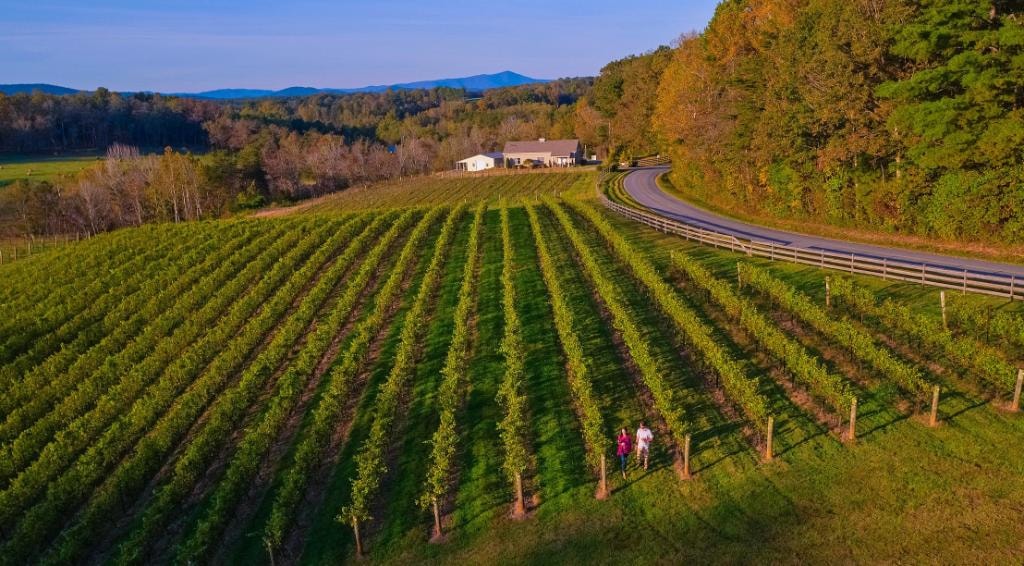
Travel through the rolling countryside of northwestern North Carolina, where the foothills of the Blue Ridge Mountains give way to picturesque vineyards, and you'll discover a wine region with a growing sense of confidence, ambition, and identity.
Here, winemakers are cultivating Italian grape varieties, experimenting with traditional European winemaking techniques, and producing wines that challenge long-held assumptions about Southern viticulture.
And they're doing it in a region where family-owned wineries, personal hospitality, and beautiful vineyard landscapes remain central to the experience.
Welcome to the Yadkin Valley, one of the most intriguing chapters in the continuing evolution of American wine.
The question is no longer whether North Carolina can produce serious wines. Its winemakers have already demonstrated that potential.
The more interesting question is whether the Yadkin Valley is ready to earn broader national recognition — and what it will take to get there.
From Tobacco Country to Wine Country
The transformation of North Carolina's Yadkin Valley into a recognized wine region represents a remarkable evolution in the state's agricultural history.
For generations, tobacco was among the region's most important crops. Farming families depended on it, and the surrounding landscape reflected the agricultural traditions of rural North Carolina.
As tobacco farming became less economically attractive for some growers, alternative crops offered new possibilities. Wine grapes were one of them.
North Carolina already possessed a long history of grape growing and winemaking, particularly through its native Muscadine grapes. But the Yadkin Valley offered an opportunity to explore something different: European wine varieties grown in the rolling hills and foothills of the Piedmont.
Entrepreneurs, farmers, and aspiring winemakers began recognizing the potential of the region's landscape.
An important milestone came in December 2002, when the federal government established the Yadkin Valley American Viticultural Area, or AVA. It became North Carolina's first federally recognized wine-growing region.
An AVA is a designated geographic area recognized for features that distinguish its grape-growing environment. Unlike a guarantee of wine quality, AVA recognition identifies where the grapes originate and helps establish a region's identity.
For the Yadkin Valley, that designation represented an important step toward becoming a recognized American wine region.
More than two decades later, the area has developed a diverse collection of wineries, ranging from small family operations to established estate vineyards. But perhaps its most important achievement has been demonstrating that North Carolina's wine future need not be limited by its agricultural past.
What Makes the Yadkin Valley Different?
One of the Yadkin Valley's greatest assets is its geography.
Located in northwestern North Carolina, the region encompasses a varied landscape of rolling hills, river valleys, and elevations influenced by the nearby Blue Ridge Mountains. These conditions create opportunities for growing a broad range of wine grapes.
Elevation can moderate summertime temperatures, while sloping vineyard sites can help with air circulation and drainage. The region's growing season offers sufficient warmth to ripen many varieties, although its humid climate, summer rainfall, and occasional extreme weather create significant challenges.
Successful grape growing here requires careful site selection, thoughtful vineyard management, and a willingness to adapt.
Unlike regions where generations of winemaking experience have established highly specific traditions, Yadkin Valley producers are still discovering which grape varieties, vineyard locations, and winemaking approaches best express their surroundings. This continuing experimentation is part of what makes the region so interesting — and helps explain why the wines of the Yadkin Valley can be remarkably diverse.
The Italian Connection: A New Identity for North Carolina Wine
Perhaps one of the most fascinating developments in North Carolina wine is the growing interest in Italian grape varieties.
While Cabernet Sauvignon, Merlot, Chardonnay, and Cabernet Franc remain important, some producers are exploring grapes more commonly associated with Tuscany, Abruzzo, and other Italian wine regions. Among the most interesting are Sangiovese, Montepulciano, Sagrantino, Vermentino, and other varieties that offer distinctive flavor profiles.
Why Italian grapes? Part of the attraction is their diversity. Sangiovese is known for its lively acidity, cherry flavors, and food-friendly character. Montepulciano can produce richly colored wines with appealing dark-fruit flavors and a satisfying structure. Vermentino offers a different experience altogether, often producing refreshing white wines with citrus, herbal, and mineral characteristics.
Of course, success isn't guaranteed simply because a grape originates in a relatively warm European wine region. North Carolina's humidity, rainfall patterns, and disease pressures are different from those found in much of Italy. But for adventurous winemakers willing to learn and adapt, these varieties provide exciting possibilities.
And nowhere is this Italian influence more evident than at Raffaldini Vineyards.
Raffaldini Vineyards: Bringing Italian Wine Traditions to the Blue Ridge Foothills
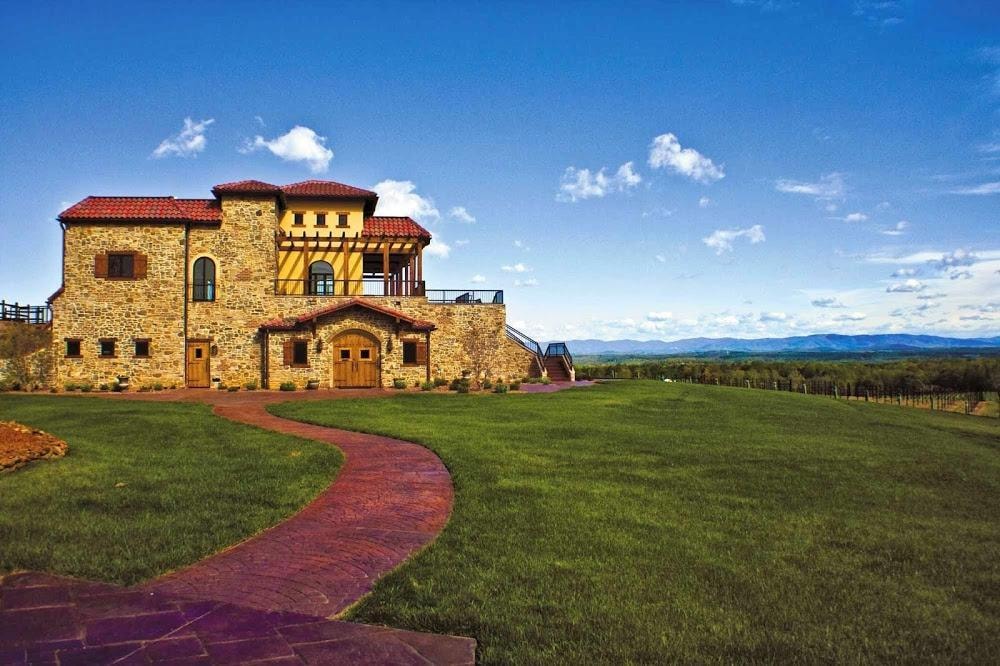
Located in Ronda, North Carolina, Raffaldini Vineyards has developed one of the most distinctive identities in the state's wine industry.
Owner and founder Jay Raffaldini began developing the property in 2001 with the belief that Italian wine traditions could find a new home in North Carolina. That vision has grown into an Italian-inspired estate known for its architecture, sweeping vineyard views, and commitment to traditional dry wines.
The winery cultivates varieties including Sangiovese, Montepulciano, Sagrantino, Teroldego, Vermentino, and Trebbiano.
What makes Raffaldini particularly interesting, however, is that its Italian inspiration extends beyond the grapes themselves. The winery also uses appassimento, a traditional technique associated with certain Italian wines in which harvested grapes are partially dried before fermentation. As the grapes lose water, their sugars, flavors, and other components become more concentrated. The technique can contribute additional richness, structure, and complexity to the finished wine.
Raffaldini's use of a dedicated drying facility reflects an unusually ambitious commitment to this method in American winemaking. It's a fascinating example of how an American winery can embrace Old World traditions while developing wines shaped by a distinctly different climate and landscape.
For visitors, Raffaldini also offers an immersive wine-country experience, including vineyard views, guided experiences, and opportunities to explore Italian grape-growing traditions. The result is more than an attractive winery — it's a distinctive expression of what North Carolina wine can become.
Castello Barone Vineyards: A Family Vision Rooted in Tradition
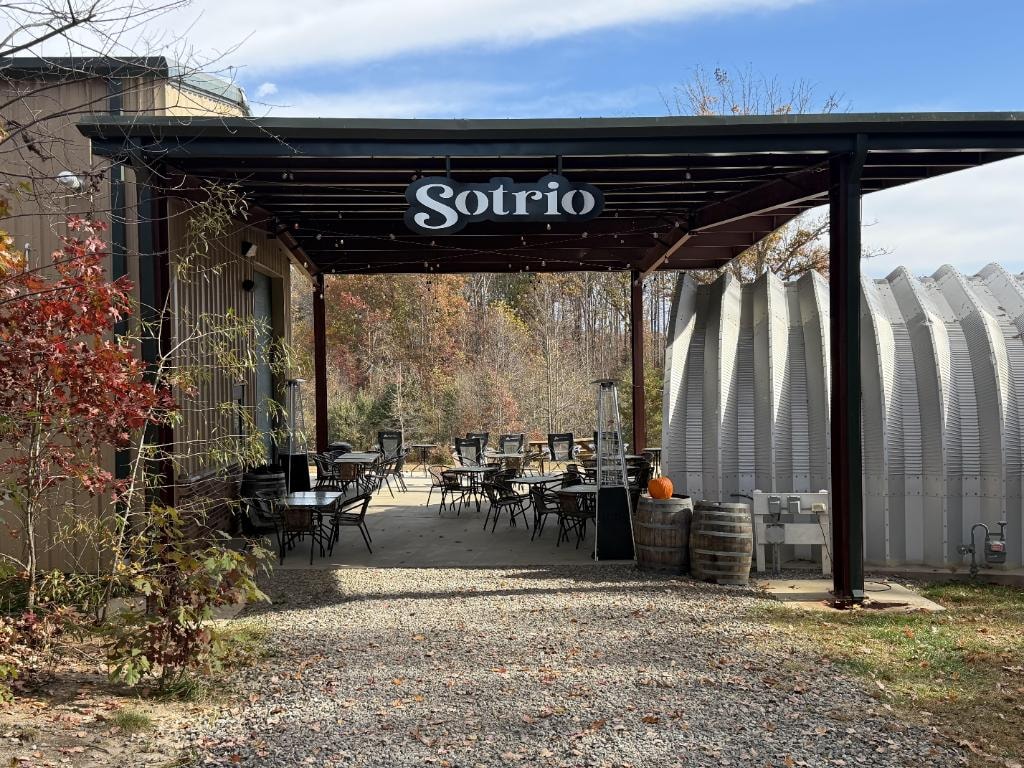
Another winery contributing to the evolution of North Carolina wine is Castello Barone Vineyards & Winery, also located in Ronda.
Owned by Scott and Elizabeth Barone, Castello Barone is a boutique, family-operated estate in the Swan Creek AVA, an officially recognized wine-growing area that partially overlaps the southern portion of the Yadkin Valley AVA.
The Barones bring Italian and French family heritage to their approach, combining traditional European influences with the realities of growing wine grapes in North Carolina. Their vineyard includes varieties such as Montepulciano and Petit Verdot, reflecting an interest in producing distinctive, structured wines.
Montepulciano is especially intriguing. Although familiar to enthusiasts of Italian wine, the grape remains relatively uncommon in American vineyards compared with Cabernet Sauvignon or Merlot. Its combination of fruit, acidity, and structure provides an opportunity for North Carolina producers to create something different from the typical American red wine lineup.
Castello Barone also emphasizes small-batch production and an approach to winemaking intended to preserve the character of its grapes. For Scott and Elizabeth, the winery is also a deeply personal undertaking shaped by family, heritage, and their shared military-service backgrounds.
That personal connection is central to the experience. Visitors aren't simply introduced to a collection of wines — they're introduced to the people and philosophy behind them.
For The American Vine, our conversation with Scott Barone offers an opportunity to explore firsthand what motivates an independent winery owner to invest in North Carolina wine country and pursue a distinctive winemaking vision. It's exactly the kind of story that deserves greater attention.
Beyond Italian Grapes: A Region Developing Its Own Expertise
While Italian varieties are providing some of the Yadkin Valley area's most distinctive stories, the region's development extends well beyond one winemaking tradition.
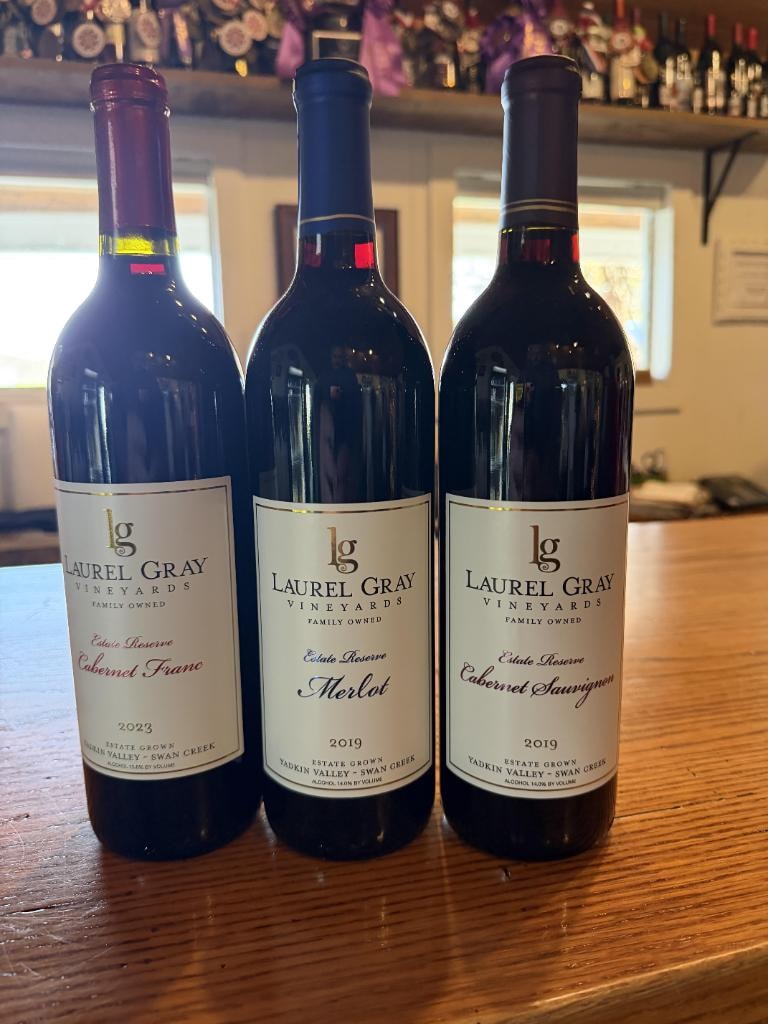
Producers throughout the valley continue to refine their work with Cabernet Franc, Cabernet Sauvignon, Merlot, Chardonnay, Viognier, Petit Verdot, and other varieties. The diversity of vineyard sites makes this especially interesting — a grape grown on a well-drained, elevated hillside may produce different results from the same variety planted in a warmer, lower location.
Several established wineries illustrate the region's growing expertise. Jones von Drehle Vineyards & Winery emphasizes estate-grown wines and the influence of its elevated vineyard sites near the Blue Ridge Mountains. Shelton Vineyards in Dobson has also played an important role in developing the region's reputation and introducing visitors to North Carolina wine.
These wineries, together with smaller producers, contribute to a growing body of regional experience. And that experience matters. Developing a successful wine region requires more than planting the right grapes — it takes years of experimentation, collaboration, agricultural knowledge, and the willingness to learn from difficult vintages.
Wine Tourism: One of the Yadkin Valley's Greatest Opportunities
Of course, great wine alone doesn't necessarily create a successful wine destination. Visitors need a reason to travel.
Fortunately, the Yadkin Valley has something that many established wine regions would envy: beautiful landscapes, welcoming communities, and a relatively relaxed atmosphere. The region's proximity to the Blue Ridge Mountains adds considerable appeal for travelers interested in combining wine tasting with scenic drives, outdoor activities, and weekend getaways.
Small towns such as Elkin, Jonesville, and Dobson provide convenient starting points for exploring the surrounding wine country. And the wineries themselves offer an impressive range of experiences.
At Raffaldini, visitors can enjoy Italian-inspired surroundings and learn about distinctive grape varieties and winemaking techniques. At Castello Barone, the experience emphasizes a boutique vineyard atmosphere and personal connections. At Jones von Drehle, estate-grown wines and mountain scenery are important parts of the appeal.
These experiences help create something increasingly important in today's competitive wine industry: a memorable reason to return.
The Challenges North Carolina Winemakers Still Face
For all its promise, the Yadkin Valley still faces considerable obstacles.
North Carolina's humid growing conditions can increase pressure from fungal diseases and complicate vineyard management. Spring frost, heavy rain, and extreme weather can also influence yields and grape quality.
Then there's the challenge of recognition. Many American consumers remain unfamiliar with North Carolina wines, particularly those produced from European grape varieties. A wine labeled Montepulciano from North Carolina may generate curiosity, but it can also create skepticism among consumers accustomed to seeing that grape associated with Italy.
Similarly, a North Carolina Cabernet Franc may struggle to attract attention beside more familiar wines from California, Virginia, or New York.
Overcoming these challenges will require more than attractive tasting rooms and occasional wine awards. The region needs consistency, a recognizable identity, effective marketing, and continued investment in vineyard and winemaking expertise. It also needs advocates willing to introduce consumers to wines they may never have considered trying.
Is the Yadkin Valley Ready for National Recognition?
So, is North Carolina's Yadkin Valley ready to join the conversation about America's most exciting wine regions?
I believe it has earned a place in that discussion.
Not because every bottle produced in the region is exceptional, or because its wineries have already achieved the reputation of Napa Valley or Oregon's Willamette Valley. That would be an unrealistic comparison.
Rather, the Yadkin Valley deserves attention because of the progress its winemakers are making and the distinctive identity that is beginning to emerge.
The region possesses several important ingredients: beautiful vineyard landscapes and a developing tourism infrastructure; producers committed to estate-grown wines and improving quality; ambitious winery owners who are willing to experiment with less familiar grape varieties; and people with the determination to create something genuinely different.
Wineries such as Raffaldini and Castello Barone demonstrate that North Carolina's wine future doesn't have to follow a conventional American formula. Instead, the region can build its reputation around its own geography, grape-growing experience, and the individual visions of its winemakers.
National recognition will ultimately depend on continued quality, consistency, and the ability to reach consumers beyond the immediate region. But the foundation is becoming increasingly interesting.
A Wine Region Worth Discovering
One of the things we enjoy most at The American Vine is discovering places that challenge our expectations about American wine. The Yadkin Valley is exactly that kind of destination.
It reminds us that American winemaking is still evolving and that some of its most interesting stories are unfolding far from the regions that have traditionally dominated the conversation.
From Jay Raffaldini's commitment to Italian grapes and traditional winemaking techniques to Scott and Elizabeth Barone's family-driven approach at Castello Barone, the region offers examples of ambition, creativity, and personal dedication. These are the people helping define what North Carolina wine can become — and they're giving wine enthusiasts compelling reasons to explore a part of American wine country that deserves more attention.
Will the Yadkin Valley eventually become a nationally recognized destination for serious wine lovers? Only time will tell. But based on the diversity of its wineries, the commitment of its producers, and the distinctive wines emerging from its vineyards, there is plenty of reason to be optimistic.
The Yadkin Valley may not yet be a household name in American wine, but it is becoming a region that curious wine lovers should have on their radar. And sometimes, discovering a great wine region before everyone else does is half the fun.
Keep exploring, keep discovering, and most importantly, keep enjoying American wine.
— The American Vine
Explore Topics
Written by
Chuck Hoeffler
Chuck Hoeffler is the founder and editor of The American Vine. He loves tasting and writing about American wine, with a particular focus on regions and wineries that deserve more attention than they typically receive.


